Contents
- Introduction
- What is the Udawalawe Elephant Transit Home?
- How is it different from the Pinnawala Elephant Orphanage?
- Why do baby elephants end up at the Transit Home?
- How are the orphaned calves raised?
- How are the elephants released back to the wild?
- Where do the released elephants go?
- How many elephants has the Transit Home released?
- What are the feeding times at the Elephant Transit Home?
- What are the opening hours?
- How much does a visit cost?
- How long should you spend at the Transit Home?
- What will you actually see?
- What should you bring?
- Is the Transit Home good for children?
- When is the best time to visit?
- Where is the Transit Home and how do you get there?
- Can you combine the Transit Home with a safari?
- Is it ethical to visit the Elephant Transit Home?
- How can you make your visit respectful?
- Ready to visit the Udawalawe Elephant Transit Home?
The Udawalawe Elephant Transit Home is a rescue centre on the edge of Udawalawe National Park where orphaned baby elephants are raised and then released back into the wild. This guide covers how it works, when to visit, what you’ll see at a feeding session and how it compares with Sri Lanka’s better-known elephant orphanage at Pinnawala.
What is the Udawalawe Elephant Transit Home?
It’s a government rescue centre for orphaned elephant calves, established in 1995 by the Sri Lanka Department of Wildlife Conservation. Its job is to raise and subsequently release the orphaned elephant calves from wild back to wild, rather than keep them for life.
[YOUR EXPERIENCE HERE — the skill will not invent this]
That “transit” in the name is the point. The calves are passing through on their way back to the forest, not settling in for life, so the whole place is run to keep them wild.
The centre lies on 200 acres of land on the western border of Udawalawe National Park, which is where most of the calves eventually return.
How is it different from the Pinnawala Elephant Orphanage?
The biggest difference is what happens when the elephants grow up. Udawalawe releases its elephants back into the wild, while at Pinnawala most healthy elephants that reach adulthood stay, mostly since they have become dependent on supplied food.
| Udawalawe Elephant Transit Home | Pinnawala Elephant Orphanage | |
|---|---|---|
| Set up | 1995, by the Department of Wildlife Conservation | 1975, by the Department of Wildlife Conservation |
| What happens to the elephants | Released back to the wild | Most stay as adults |
| Contact with people | Kept to a minimum to help them join wild herds | Run partly as a visitor attraction |
| How you see them | From a viewing area at feeding times | Around the orphanage grounds |
Pinnawala has also faced questions over welfare: a 2010 report by the Born Free Foundation called into question animal welfare at the orphanage. If seeing elephants that will go back to the wild matters to you, Udawalawe is the one to visit.
Why do baby elephants end up at the Transit Home?
Every elephant there was rescued after being found abandoned, injured or separated from their herds. Many of the injuries come from the places where elephants and people meet.
Reports from the centre describe calves that were hit by trains, others shot by farmers, and others rescued from wells or hurt by a land mine. A calf on its own can’t survive in the wild without its mother’s milk, which is why the centre steps in.
Seeing the calves up close is a reminder of how much pressure wild elephants are under in Sri Lanka. Our complete guide to Udawalawe covers the wider threats the park faces.
How are the orphaned calves raised?
The calves are bottle-fed milk and kept away from people as much as possible, so they don’t come to depend on humans. They are raised for years on formula milk from bottles, with limited interaction with humans, mainly at feeding times and at night.
Small details are designed around the calves’ needs. A solar water heater set up by Dilmah Conservation heats the water used to make milk for the orphans.
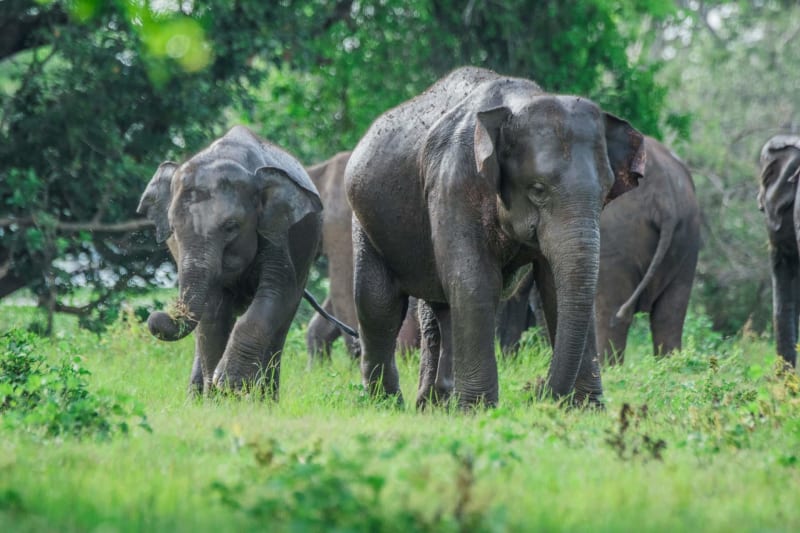
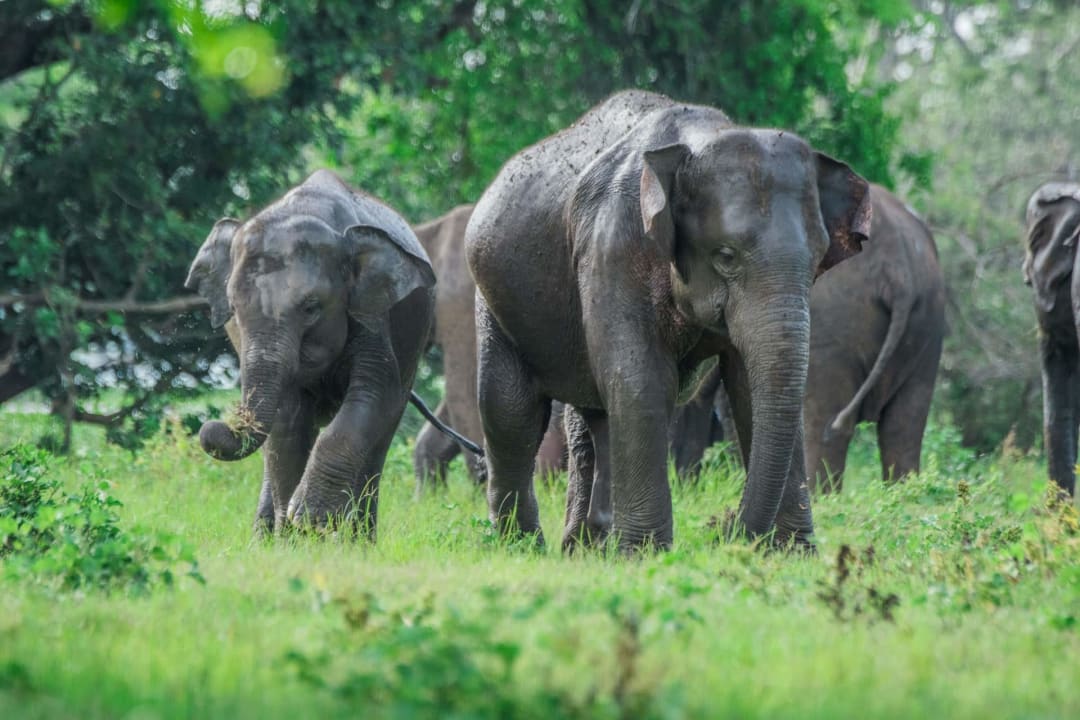
Between feeds, the calves spend their time outdoors on the centre’s land rather than in pens with visitors. That’s why you only see them when they come in for milk.
How are the elephants released back to the wild?
When they’re old enough, the elephants are prepared, moved by truck and released in groups into protected forest. Before release they’re weaned, given a large meal early in the morning and coated with a dung-and-water paste to reduce their human scent, and some are fitted with radio collars.
On release day, keepers have used milk and coconut palm to lure them onto trucks, which carry them into the wildlife sanctuary to fend for themselves.
The most recent release we found was in July 2025, when six elephants aged five to seven were returned to the Mau Ara forest. It was the 26th release since the programme began in 1998.
Where do the released elephants go?
They go back into protected forest around Udawalawe, so the elephants you see as calves may one day be the wild elephants you see on a safari. The July 2025 group was released into the Mau Ara forest in the Udawalawe Wildlife Sanctuary.
Releasing them close to where they were raised means they return to a landscape that already supports wild herds. The aim is for each group to be accepted by wild elephants and live as they would have done if they had never been orphaned.
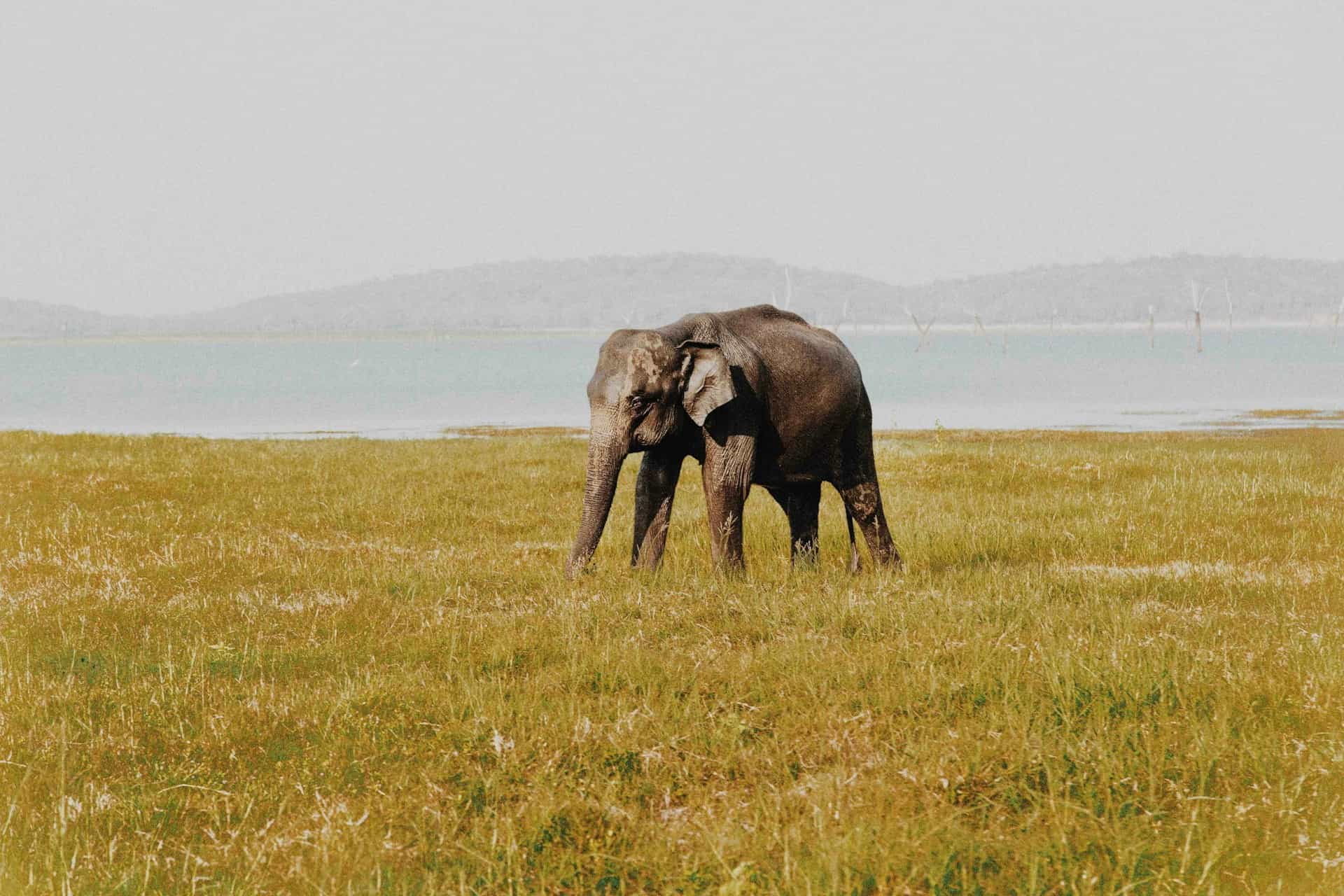
It also means the Transit Home and the national park tell one story. On a safari you’re watching the kind of herd the calves are being prepared to join, and at the feeding you’re watching the start of that journey.
How many elephants has the Transit Home released?
By mid-2025 the centre had released 187 elephants since 1998, with 57 still in its care. Those figures come from the centre’s director, reported in July 2025.
The programme has grown steadily. A University of Peradeniya study counted thirty nine individuals released in four batches from 1998 to 2004, and by 2008 66 elephants had been released in eight batches.
We couldn’t find published figures on how many released elephants survive long term. Radio collars on some of them suggest the centre does track them after release.
What are the feeding times at the Elephant Transit Home?
Visitors can only see the calves at feeding times, and sources disagree on exactly when those are. One guide lists 10.30 a.m., 2.30 p.m. and 6.00 p.m. daily, while a travel blog gives 9 a.m., noon, 3 p.m. and 6 p.m.
Times may have changed over the years, so check locally on the day, at your hotel or with your safari driver. Plan to arrive a little early whichever schedule is in use.
Both sources agree on the key point: visitors may see the animals only during feeding times. Outside those sessions there’s nothing to watch, so a visit has to be timed.
What are the opening hours?
The centre is open 8.30 a.m. to 6.00 p.m. daily, but you’ll want to visit around a feeding session. Arriving at a random time within opening hours usually means a wait.
The last session of the day, at around 6.00 p.m., is the one to aim for if you’re doing an afternoon safari first. Morning sessions fit neatly after a sunrise drive.
How much does a visit cost?
We couldn’t find a current official ticket price, so check at the entrance. Tickets are sold on site, and there’s only one ticket booth, so allow time to queue.
If you’re booking a tour that includes the Transit Home, ask whether the entrance ticket is included or extra, because packages differ.
How long should you spend at the Transit Home?
Plan on about 45 minutes, including the queue and the feeding itself. A travel blog suggests allowing 45 minutes or so at the site in total.
Arrive 15 to 20 minutes before feeding time, both to get through the single ticket booth and to find a good spot on the viewing platform. The feeding itself moves quickly once the calves arrive.
What will you actually see?
You’ll watch from a viewing platform as the calves come in from the grounds to be fed milk by their keepers. It’s a short, busy session, and you see the calves’ personalities as they push and jostle for their bottles.
You don’t touch, feed or bathe the elephants here. Keeping minimal contact with humans is how the centre gives them a chance to join wild herds, so the distance is part of what makes it worth supporting.
Bring a zoom lens if you want close-up photos, because you’ll be watching from a little way back. A phone camera is fine for the overall scene.
What should you bring?
Bring water, sun protection and a camera with some zoom, and not much else. The visit is short, and you spend most of it standing on the viewing platform.
- Water and a hat: the lowlands around Udawalawe are hot, and you may queue outside before the feeding starts.
- A zoom lens or binoculars: you watch from a distance, so a little magnification helps.
- Small cash: tickets are bought at the booth on site, so carry cash in case cards aren’t accepted.
- Light, neutral clothing: comfortable for the heat and the same kit you’d wear on a jeep safari.
Is the Transit Home good for children?
Yes, it’s one of the easiest wildlife stops in Sri Lanka for families, because it’s short and the calves are lively. Children can see baby elephants clearly from the viewing area without a long jeep drive.
The main thing is to keep them quiet and on the platform during the feeding. Explain beforehand that the calves are going back to the wild, which is why nobody gets to touch them.
When is the best time to visit?
Go on a weekday if you can, and choose the feeding session that fits around your safari. Weekends and school holidays can be very crowded, which makes it harder to see.
For a sunrise safari day, the late-morning session fits neatly after your drive. For an afternoon safari, go to an early-afternoon session first, or catch the last session of the day once you’re out of the park.
Where is the Transit Home and how do you get there?
It’s on the western edge of Udawalawe National Park, so it’s a short hop from the safari jeep gate. The centre sits on the western border of Udawalawe National Park, and most visitors stop on the same day as their safari.
From the coast and the hills, the drive to Udawalawe National Park takes about 1h 13m from Tissamaharama, 1h 54m from Mirissa and 2h 8m from Ella, and about 3h 58m from Colombo using the Southern Expressway. Those are Google Maps routes, checked by our team.
Most visitors come with a private driver, who can take you between the Transit Home and the safari gate. Ask them to time the day around the feeding session you want to see.
Can you combine the Transit Home with a safari?
Yes, and most visitors do: a safari plus one feeding session makes an easy half-day or full day out. See what to expect on an Udawalawe National Park safari for the drive itself, and how to book your Udawalawe National Park safari for jeeps and tickets.
A simple plan is a sunrise safari, breakfast near the park, then the late-morning feeding. Or flip it: an early-afternoon feeding, then an afternoon safari until the park closes.
Is it ethical to visit the Elephant Transit Home?
It’s one of the more responsible ways to see young elephants in Sri Lanka, because the centre’s aim is to return them to the wild. The approach is to rewild elephants rather than domesticate them, and visitors only watch from a distance at set times.
That’s a different experience from places that offer elephant rides, bathing or close contact. If you see anything like that advertised, it isn’t part of how the Transit Home works.
How can you make your visit respectful?
Keep quiet during the feeding, stay on the viewing platform and follow the staff’s instructions. The calves are wild animals in training, and noise and crowding near them work against everything the centre is trying to do.
Don’t bring food for the elephants, and don’t try to call them over for photos. Take your rubbish with you, and if you’re using a flash, switch it off.
Ready to visit the Udawalawe Elephant Transit Home?
Pick the feeding session that fits your day, arrive early and pair it with a safari. Have a question about planning your visit? Get in touch and our Udawalawe team will help.