Contents
- Introduction
- What is Udawalawe?
- Why does Udawalawe look the way it does?
- Where is Udawalawe and how do you get there?
- What animals can you see in Udawalawe?
- What makes Udawalawe’s elephants special?
- How much does an Udawalawe safari cost?
- Should you do a half-day or full-day safari?
- What time does Udawalawe National Park open?
- When is the best time to visit Udawalawe?
- Is Udawalawe or Yala better for a safari?
- What is the Udawalawe Elephant Transit Home?
- What threats does Udawalawe face?
- How can you have a responsible safari in Udawalawe?
- Where should you stay near Udawalawe?
- How should you plan a trip to Udawalawe?
Udawalawe is the place to go in Sri Lanka if you want to see wild elephants, and lots of them. This guide covers everything you need before you book: where the park is, what lives there, what a safari costs, when the gates open, the best time of year to go and how it compares with Yala.
What is Udawalawe?
Udawalawe is a national park in southern Sri Lanka, established on 30 June 1972 to give a home to wild animals displaced when the Udawalawe Reservoir was built on the Walawe River. Today it’s best known for elephants, with a herd of about 250 believed to be permanently resident.
The park is a mix of open grassland, scrub and water, wrapped around a big reservoir. It’s run by the Department of Wildlife Conservation, and it sits within easy reach of both the south coast and the hill country.
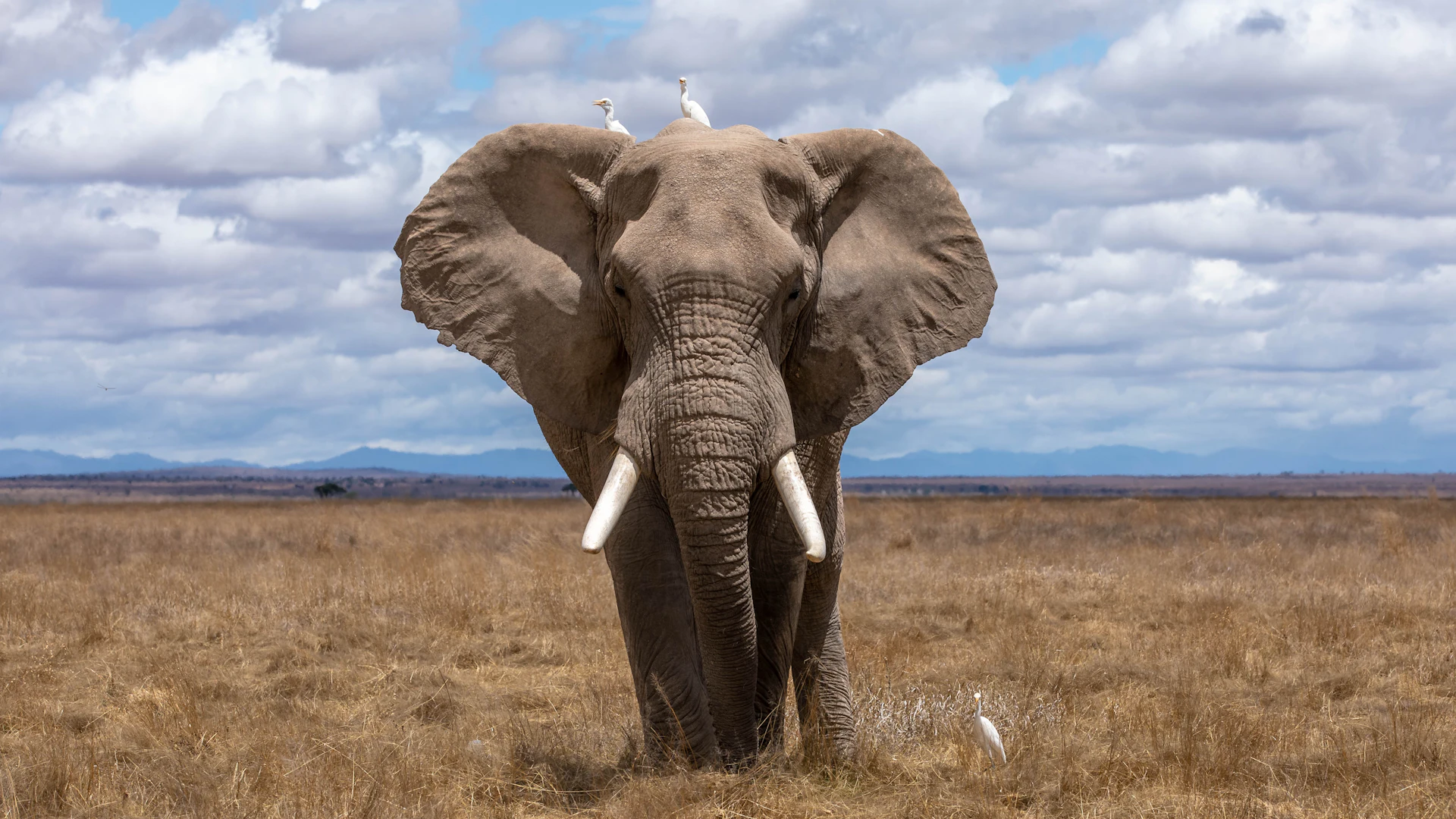
Imagine rounding a bend and finding a whole family of elephants blocking the track, calves tucked between their mothers’ legs, completely unbothered by you. It’s a typical morning in Udawalawe. Around 250 elephants live here year-round, and since most of the park is comprised of open grassland and not dense jungle, there is no place for elephants to hide. You can observe them rolling, playing, fighting and eating in muddy waterholes.
However, the elephants are just the show-stoppers. The supporting cast includes Sambar deer, Spotted Deer, water buffalo, Mugger Crocodile, cheeky monkeys, jackals, and wild boars. The sky is not without its activity either: more than 150 species of birds also inhabit this environment, ranging from hornbills to kingfishers and eagles flying overhead. Each turn is a new photo and each drive is a different one.
Short on time? First safari? It’s easy to answer with Udawalawe. It’s a vast plain that offers an abundance of wildlife for a safari day that far exceeds what most parks can afford in a single day.
Udawalawe at a glance
| Established | 30 June 1972 |
| Land area | 30,821 hectares |
| Distance from Colombo | About 165 km |
| Managed by | Department of Wildlife Conservation |
| Gate hours | 6.00 a.m. to 6.00 p.m., every day |
| Best known for | Wild elephants, water birds |
Why does Udawalawe look the way it does?
Udawalawe looks like open savannah because much of it was farmland before it was a park. The land was used for shifting cultivation before the park was declared, and areas of open grassland are abundant as a result of former chena farming.
The other big shaper is water. The Udawalawe dam on the Walawe River is a large irrigation dam that also generates electricity, with power units commissioned in April 1969 and a total dam length of approximately 3.9 km. The park protects the reservoir’s catchment, and the water draws wildlife from across the park.
Look out for straight lines of tall trees near the edge of the park too. There’s a plantation of teak beyond the southern boundary, planted before the area became protected.
Where is Udawalawe and how do you get there?
Udawalawe sits on the boundary of Uva and Sabaragamuwa provinces, about 165 km from Colombo. Most visitors come by road.
Because it sits between the hill country and the south coast, Udawalawe works well as a stop on a longer loop. A night here and a morning safari is a good way to break the drive between the hills and the beaches.
What animals can you see in Udawalawe?
Elephants are the reason most people come, but the park is home to far more than that. You’ll also see water buffalo and a lot of birds: the park has recorded 184 bird species, 33 of them migratory.
For mammals, keep an eye out for golden jackal, Asian palm civet, toque macaque, tufted grey langur and Indian hare. Three cats live here: the rusty-spotted cat, fishing cat and Sri Lankan leopard, though all three are shy. The Sri Lankan sloth bear is seldom seen because of its rarity.
Near the water, scan the banks for reptiles. The park has mugger crocodiles, Asian water monitors, Bengal monitors and 30 species of snake.
Birders should watch for endemics such as Sri Lanka spurfowl, red-faced malkoha and Sri Lanka grey hornbill. The open parkland also draws birds of prey such as white-bellied sea eagle and crested serpent-eagle. If you’re hoping for a big cat, keep your expectations realistic and treat any sighting as a bonus.
What makes Udawalawe’s elephants special?
The elephants here are Sri Lankan elephants, the largest Asian elephant subspecies. They also have larger and more distinct patches of depigmentation on the ears, face, trunk and belly, so look for pink, freckled skin as they come closer.
Don’t expect big tusks. Only 7% of males bear tusks, so a tusker is a real moment when you see one.
Much of what keeps them here is grass. Two species, Panicum maximum and Imperata cylindrica, are important food sources for the elephants, which is why you’ll often see herds grazing in the open rather than browsing deep in the trees.
How much does an Udawalawe safari cost?
A safari has two costs: your park ticket and your jeep. One local operator quotes a $30 entrance fee per person (including VAT) plus a $14 group fee per car, and a jeep for up to six people at around $60–80 for a half-day tour.
Ticket prices are set by the government and change, so check the current rate before you go. You can’t drive your own car into the park: you need a specially equipped safari jeep and a driver, which most hotels can book for you the evening before.
When you pay at the gate, foreign visitors may pay in USD or the equivalent amount in LKR. Ask your driver whether the jeep price includes tickets before you set off, because some quotes do and some don’t.
Should you do a half-day or full-day safari?
For most people, a half-day safari is plenty, and it’s the option local operators price as standard. A full day suits keen photographers and birders who want to stay out through the quiet midday and catch both the morning and evening light.
If you go for a half day, choose the morning or the late afternoon. Early morning and late afternoon are the best times for wildlife, and the light is far kinder for photos. For a full day, bring lunch, plenty of water and a hat, because there’s very little shade in an open jeep at noon.
What time does Udawalawe National Park open?
The park is open every day from 6.00 a.m. to 6.00 p.m., and ticket counters close at 4.00 p.m. All vehicles have to be out by 6.00 p.m., so leave enough time for an afternoon drive.
When is the best time to visit Udawalawe?
Udawalawe is open all year, and elephants are in the park in every season. Most of the 1,500 mm of annual rain falls between October and January, and again from March to May, so those months bring greener grass and muddier tracks.
Whatever the month, weekdays are quieter than weekends, when the park can get busy with jeeps. In the wet months, a 4WD jeep is essential; in the dry season, vans can also traverse most of the park’s tracks.
Is Udawalawe or Yala better for a safari?
Choose Udawalawe if elephants are your priority, and Yala if you’re set on leopards. Yala is a much bigger park at 979 km² and has one of the highest leopard population densities in the world, while Udawalawe is smaller and is known above all for its elephants.
Getting there is different too. Udawalawe is about 165 km from Colombo, while the shortest route to Yala is 270 kilometres. If you have the time, doing both on the same trip gives you the best of each, and Udawalawe makes a good first stop on the way south.
What is the Udawalawe Elephant Transit Home?
The Elephant Transit Home is a rescue centre for orphaned elephant calves, set up in 1995 by the Department of Wildlife Conservation. It exists to raise and subsequently release the orphaned elephant calves from wild back to wild, rather than keep them for life.
It has a track record to back that up: a University of Peradeniya study found it released thirty nine individuals to the wild in four batches from 1998 to 2004. It’s a short stop that pairs well with a safari.
What threats does Udawalawe face?
Udawalawe’s biggest problems come from people living right up to its edges. Encroachment by human settlements, poaching, illegal logging, gem mining, overgrazing and chena farming are listed as major threats to the park.
The elephants’ food supply is under pressure too. Invasive weeds, Lantana camara and Phyllanthus polyphyllus, are affecting the food plants of the elephants, and elephants being shot with illegal muzzleloader guns has been reported. Choosing a responsible driver and paying your park fees properly are small ways visitors help keep the park protected.
How can you have a responsible safari in Udawalawe?
Pick a driver who keeps a respectful distance and switches off the engine near a herd. Keep your voice low, stay in the jeep and never ask your driver to get closer than is safe.
Take every bit of rubbish out with you, and don’t feed any animal, however tame it looks. Elephants that learn to link jeeps with food become a danger to themselves and to people, and a respectful safari is a better safari for everyone.
Where should you stay near Udawalawe?
Stay as close to the park entrance as you can, so an early drive doesn’t mean a very early alarm. You can choose from simple guesthouses, eco lodges and camps, and boutique resorts with pools.
Ask your hotel whether it can arrange your jeep and an early breakfast, because that makes a sunrise drive much easier. For an open jeep, pack a hat, sun cream, water and a light layer for the cool early morning.
How should you plan a trip to Udawalawe?
If you only have time for one drive, make it the morning one, and book your jeep the night before. Then pick a stay near the entrance and arrive the afternoon before.
A simple plan works best: arrive in the afternoon, catch golden hour on the plains, do a sunrise safari the next morning and visit the Elephant Transit Home before you leave. Have a question we haven’t answered? Get in touch and we’ll help you plan your Udawalawe trip.